A chef knife that fits your hand
A chef knife should suit the hand that holds it and the space where it works. A specification sheet can narrow the choice, but handle shape and balance need a more personal assessment than blade length alone.
Compare a few sizes in context
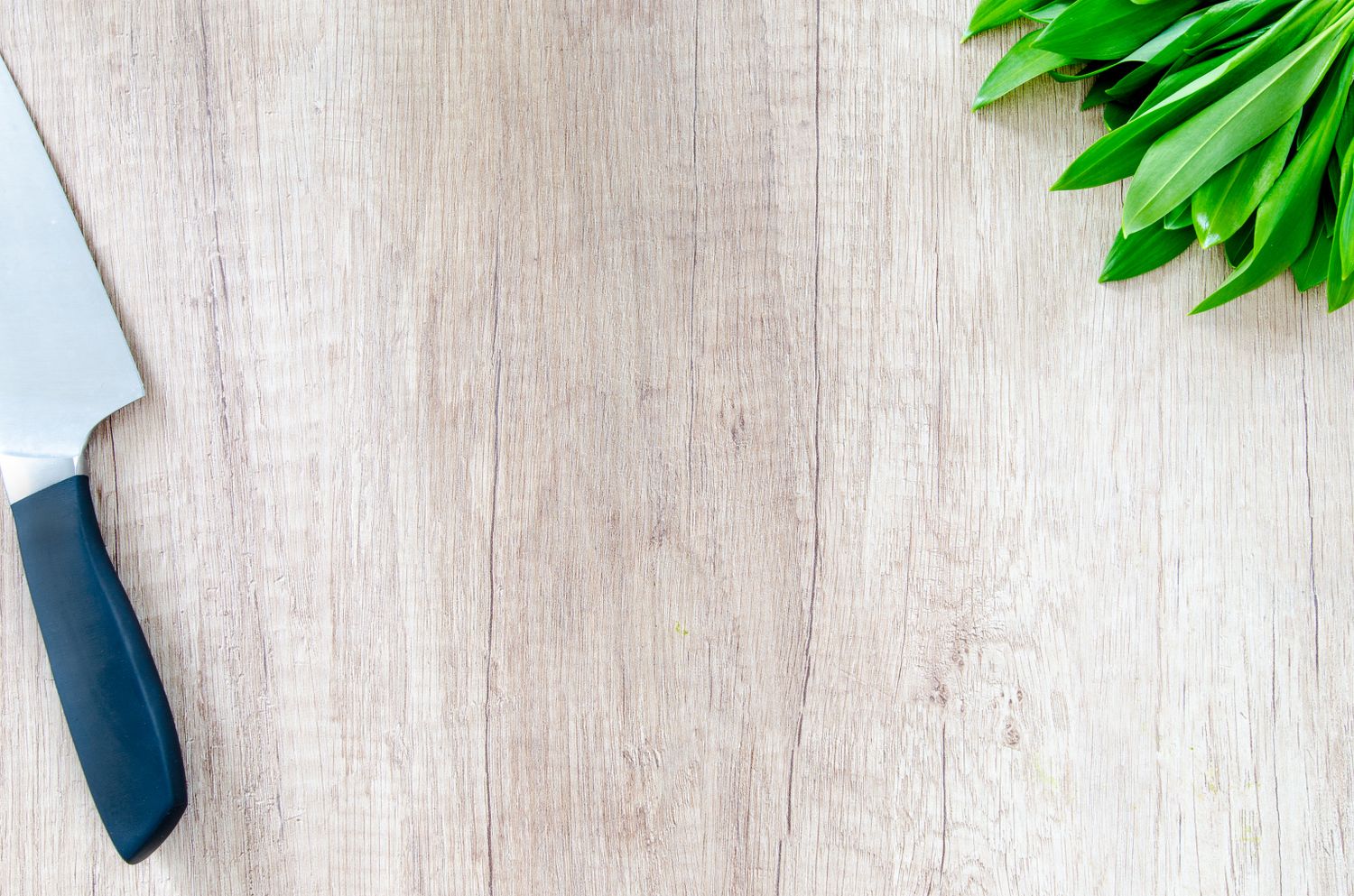
Think about the ingredients most often prepared and the available cutting-board area. A long blade can be useful for larger ingredients but needs enough room to move and store safely. A shorter knife may feel more manageable for smaller tasks. Neither size is automatically more professional. Choose a length you can control comfortably within the actual work area rather than the largest knife in a range.
If a shop allows handling a demonstration knife, follow its instructions and assess the grip without attempting unapproved cutting. Notice where the handle touches your palm and whether any seam or sharp transition feels intrusive. The handle should remain comfortable in the grip you are taught to use. Weight distribution can feel different even between knives with similar overall weights.
Look beyond the handle material name
Wood, molded synthetic material and metal handles come in many shapes and finishes. A material label does not tell you whether a particular contour suits your hand. Check whether the handle is designed symmetrically or whether the maker specifies a preferred hand. People sharing a kitchen may prefer different knives, and a single expensive knife is not automatically the best shared solution.
Examine the transition between blade and handle and the clearance above the board. Consider how the knife will be cleaned without awkward inaccessible joins. Do not treat a decorative pattern or a long list of steel terms as a substitute for usable product information. The maker should explain the intended tasks and care, including what the blade is not designed to cut.
Include care in the buying decision
Follow the specific knife manufacturer's cleaning instructions. WÜSTHOF, for example, recommends prompt handwashing, immediate drying and protected storage for its knives, and advises against dishwashing or soaking them in the sink. That is a useful reminder to read the actual care routine before buying, rather than assuming every knife can join the rest of the cutlery in a dishwasher.
Plan appropriate sharpening or maintenance according to the maker's guidance and your experience. Different edges may need different methods. Do not choose an unfamiliar tool solely because it looks like a universal sharpener. If unsure, use a suitable professional service or ask the manufacturer about the correct process for the model.
Decide where it will live
A sheath, drawer insert or other suitable storage should protect the edge and prevent accidental contact. Measure the complete knife, including the handle, before choosing storage. A knife block slot that is too short or narrow does not become suitable because the blade can be forced into it. Keep knives out of children's reach and avoid leaving them hidden beneath washing-up water.
Start with the knife needed for recurring preparation rather than a large set built around occasional tasks. Keep the model details and care instructions. A well-matched knife is one that can be controlled, cleaned, maintained and stored properly throughout its ordinary use, not merely one that feels impressive for a moment at a display counter.