Loaf pans and useful capacity
Two loaf pans can have similar lengths and very different usable volumes. Compare the complete interior shape with the recipe before treating a familiar size name as a reliable match.
Length is only one side of the pan
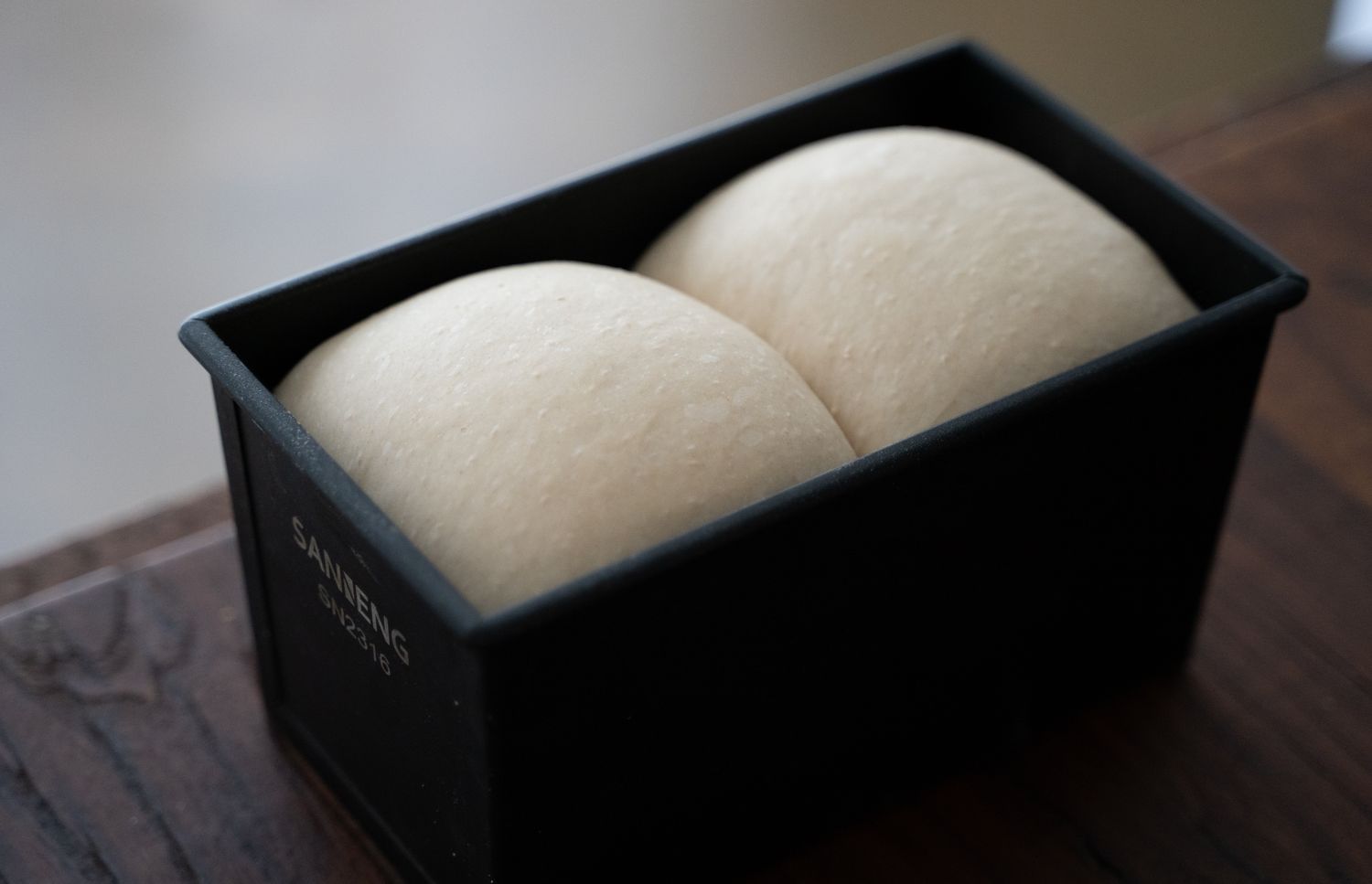
Measure or read the inside length, width and depth, and note whether the walls taper. A top measurement describes the widest opening on many pans, while the base can be much narrower. The recipe's stated pan dimensions are a useful starting point. If you change the pan substantially, do not assume that the same fill level and baking time will remain appropriate.
Keep external dimensions separate for oven and storage fit. Rolled rims and handles add width without adding batter space. A long narrow pan may fit a shelf but be awkward to turn in a small sink. Check the complete route through preparation, baking and cleanup rather than choosing by the finished loaf's appearance alone.
Capacity is not a fill instruction
The volume to the rim is different from the amount of batter or dough appropriate to the recipe. Allow the expansion space required by the specific preparation. A pan with a lid also has its own intended method and limits. Do not close a lid over an arbitrary quantity simply because the ingredients fit before baking.
For a recipe used frequently, record the pan dimensions alongside the result you actually obtain. This is a household note, not a claim that one pan size universally suits every loaf. Different mixtures and methods behave differently. A replacement pan that closely matches the original can avoid introducing several changes to a familiar recipe at once.
Choose release and care features deliberately
Read the maker's directions for greasing, lining and suitable utensils. A coating does not eliminate every preparation step, and a removable base adds a join that needs cleaning. Check whether the product is intended for the mixture and temperatures you plan to use. Follow its handling guidance rather than transferring instructions from a different material.
Let the recipe and product instructions guide removal and cooling. Have a suitable landing surface and rack ready. Wash as directed, dry the corners and seams, and store without damaging the interior. If a pan becomes distorted or its surface is damaged, use the manufacturer's guidance on continued use or replacement. A simple matching shape is often more valuable than a specialized feature that complicates a recipe you already understand.