Measuring jugs with readable marks
A measuring jug is useful only when its scale can be read while it is standing level. Before choosing a capacity, compare the markings, the pouring spout and the way the handle keeps your hand clear.
Pick the scale used in your recipes
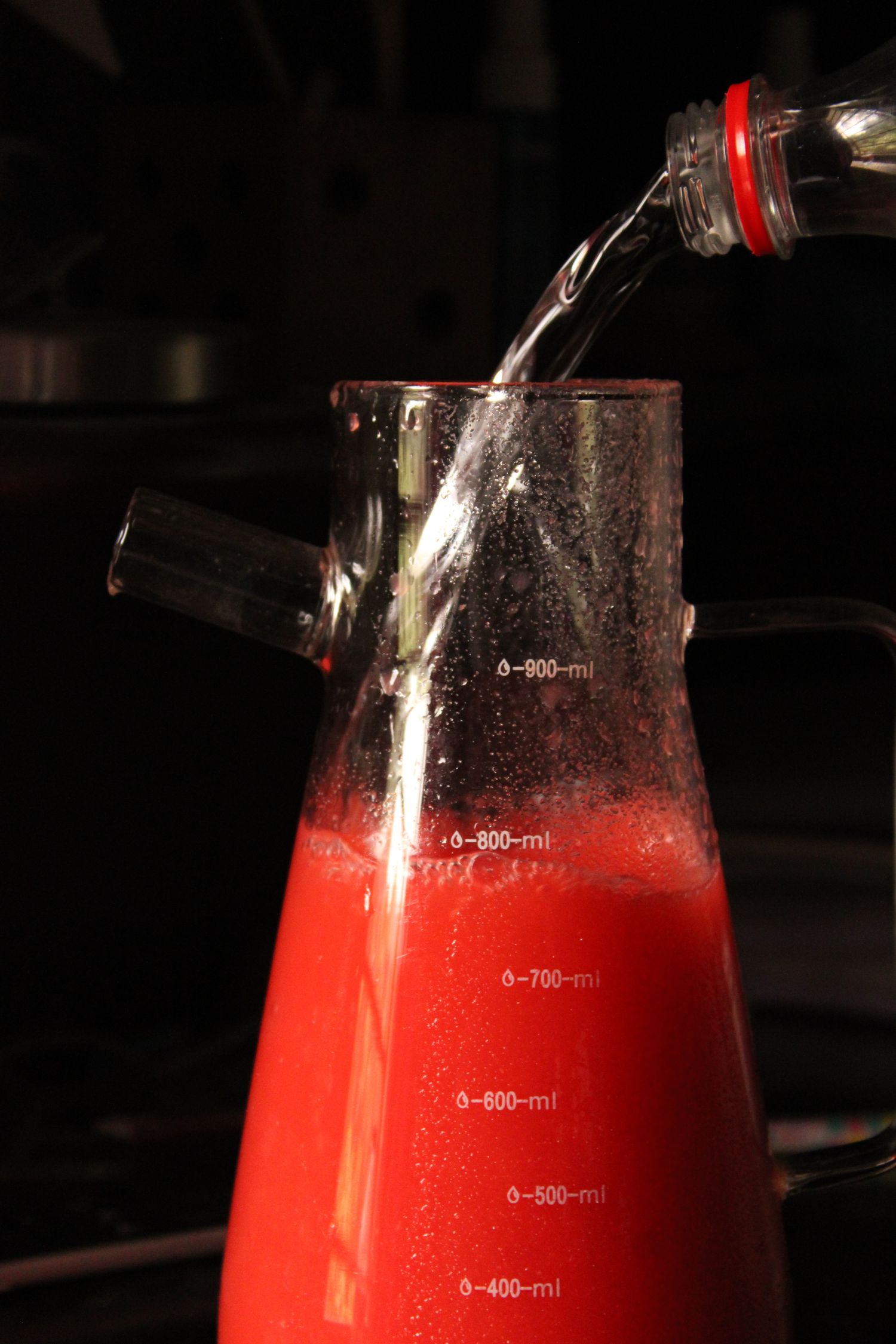
Check which units are printed and how clearly they are separated. Milliliters, fluid ounces and cups describe volume, while a recipe asking for grams is asking for mass. A jug does not convert every ingredient's volume into weight. If your recipes use several systems, choose clearly labeled markings and avoid assuming that every regional cup convention is identical.
A large jug may have widely spaced major marks but omit the smaller quantities you regularly measure. For a small amount, a smaller jug with appropriate graduations can be easier to read. Check whether the lowest mark is actually useful for your cooking. Multiple crowded scales can reduce clarity, especially when translucent ingredients or reflections make the printed lines harder to distinguish.
Read it on a stable surface
Follow the jug's measurement instructions and use a level surface. Holding it in the air while checking a line can tilt the liquid and change the reading. Place it where you can see the markings without balancing it on an edge. Angled internal scales are a different reading design, so follow the product's method rather than applying the same viewing position to every jug.
Check the handle with the jug at the quantities you normally use. A handle opening that looks generous may become awkward when the container is full. The spout should guide liquid into the receiving bowl or pan without requiring an extreme tilt. Leave room below the maximum mark when the task involves carrying the jug across the kitchen.
Check care and temperature permissions
Use the manufacturer's stated limits for hot liquids, microwave heating or dishwashing. A glass-looking or plastic-looking material does not establish those permissions by itself. Printed scales may also have specific care requirements. Avoid cleaning methods that could erase the markings and leave a physically intact jug that can no longer measure reliably.
Consider whether the jug nests or hangs for storage without trapping another utensil against its scale. Keep it where the spout is protected from knocks. If graduations become unreadable, do not replace them with guessed lines for precise recipe work. A simple jug with the right range and legible marks is often more useful than one with a large number of scales you never use.