Power banks for a day away
A power bank for a day away should solve a specific shortage without becoming the heaviest item in a small bag. Think about when your phone runs low and where you can recharge the power bank afterward.
Define the gap in your day
Describe a normal day out before comparing capacities. Navigation, photographs and a late train journey can create a different pattern from occasional messages during a short errand. Your phone's own battery history is a better starting point than another person's claim about how many days a power bank lasts.
Decide whether you need a reserve for one device or intend to help charge several. A small emergency top-up and a shared supply for two phones are different jobs. Avoid treating a printed capacity as a guaranteed number of complete phone charges: conversion losses, device use and battery characteristics affect the result.
Compare the whole item in your bag
Check weight and dimensions together, including any cable you need to carry. Make a cardboard outline if the power bank must fit a narrow pocket. A short, thick model can be less comfortable in a jacket than a flatter unit even when their weights are similar.
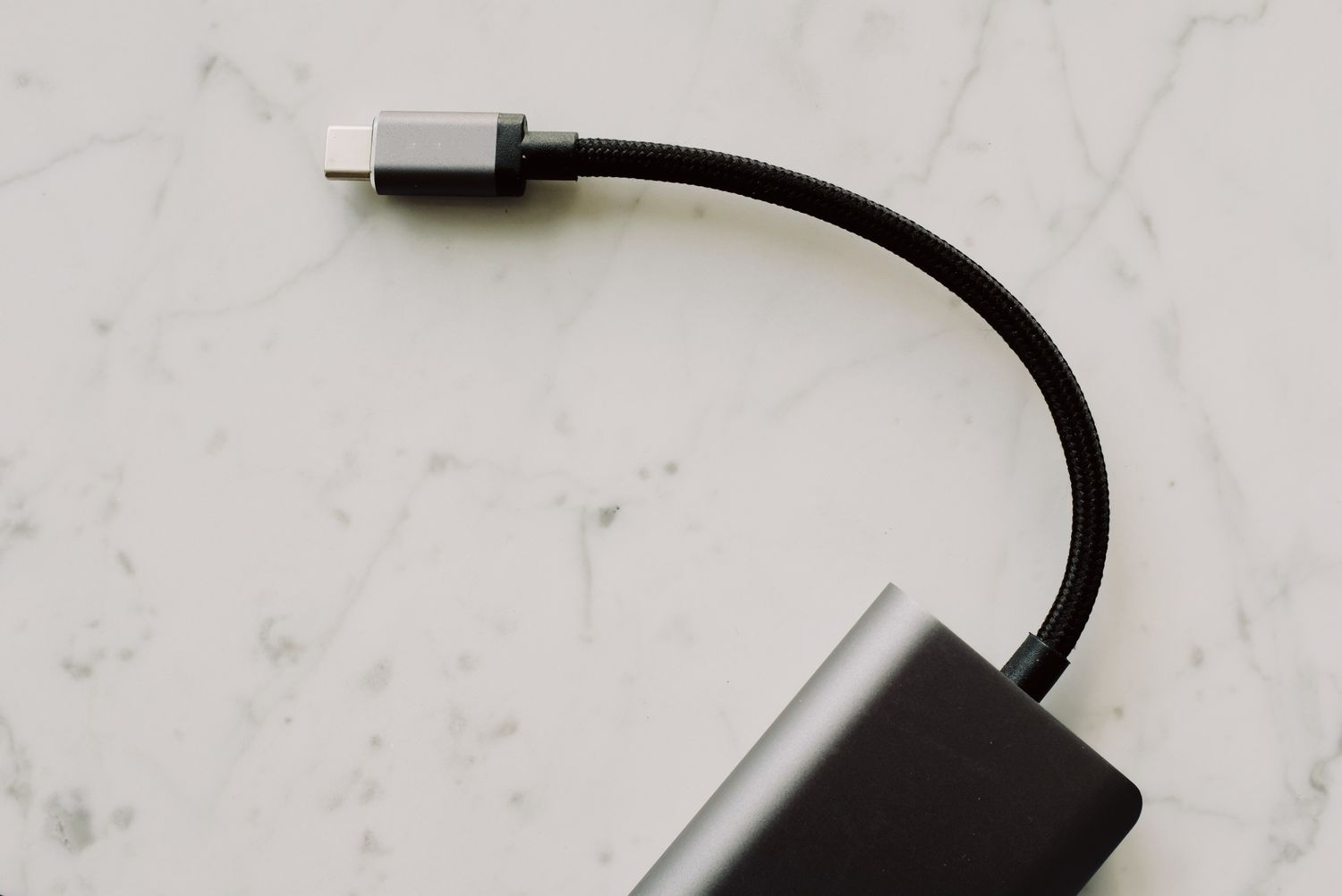
An attached cable removes one loose item but creates another question: what happens if that cable wears out or its connector does not suit your next phone? Look for a usable alternative port and read the replacement or warranty information. With separate cables, choose a length that reaches the phone without leaving a large loose loop.
Read input and output separately
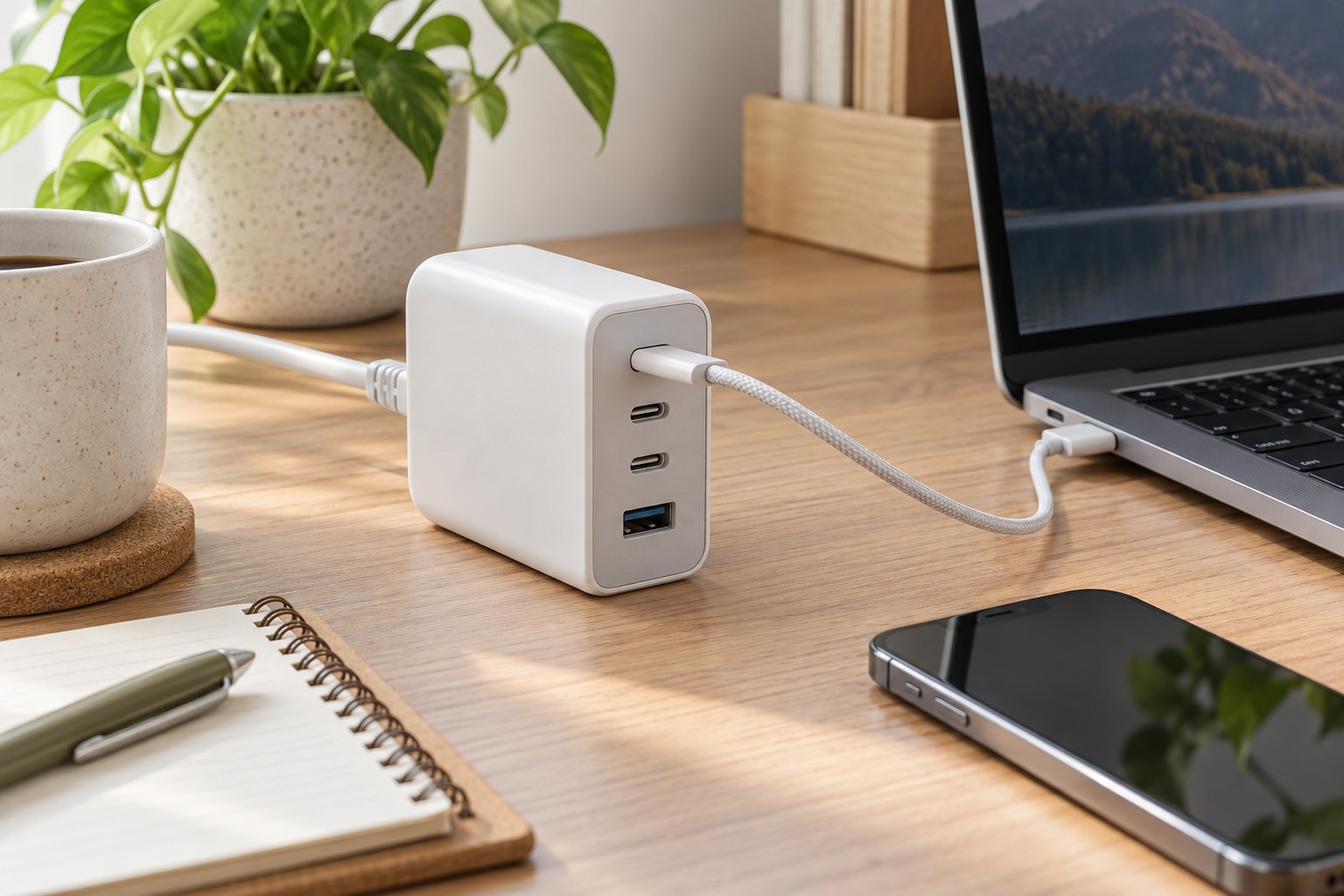
Manufacturers' comparison tables distinguish capacity, output ports and the input used to recharge the power bank. Check all three. A unit may charge your phone adequately but take longer than your available evening routine to refill with the adapter you own. Use the stated compatible charging arrangements rather than assuming every USB-C connection has the same role.
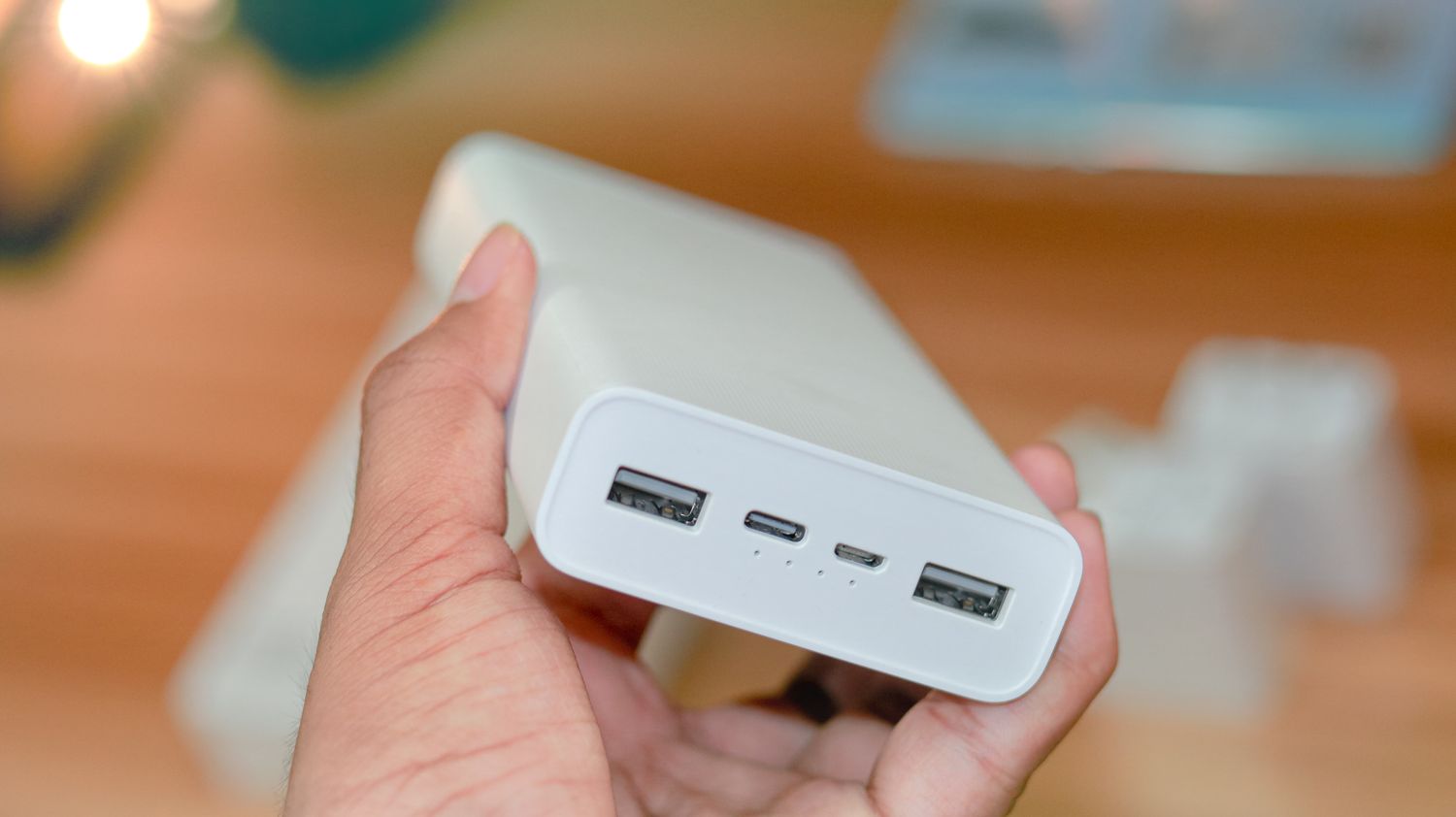
If you plan to connect two devices, find the simultaneous-output information. Confirm how the ports share available power and whether the supplied cable supports the intended arrangement. Do not assume that a feature shown on another capacity in the same product family is present on the version you are ordering.
Make the reserve usable
Choose an indicator you can understand quickly. Percentage displays offer a different kind of feedback from a few lights, but either requires checking before departure. Keep the bank and its cable together in a place that makes the recharge routine easy to remember.
Follow the manufacturer's storage and charging instructions, and stop using a unit that is swollen, damaged or behaving abnormally. Test a normal day with the new bank while you still have easy access to other power. That reveals whether its weight, cable arrangement and usable reserve suit your routine without relying on an optimistic charge-count claim.