Rolling pins for a small worktop
A rolling pin needs space for its working barrel and for the hands moving it. In a small kitchen, the usable stretch of counter and the size of the dough are better guides than the longest pin in the shop.
Compare the full working width
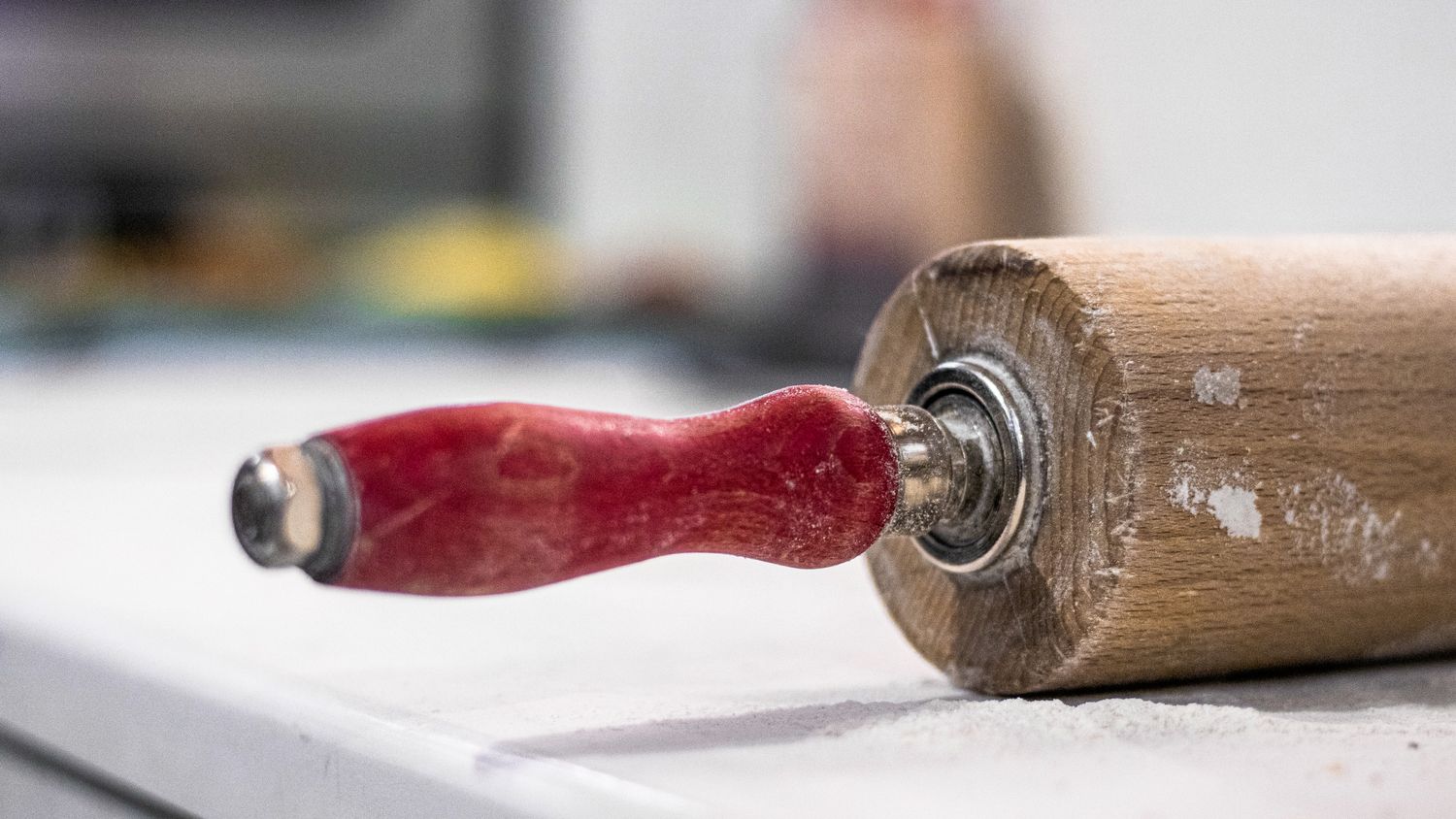
Measure the clear surface where dough will be rolled, keeping appliances and counter edges in mind. A pin with handles can be much longer overall than its rolling barrel. Check both measurements. A handleless pin may use its length differently, but the hands still need room to move without striking nearby objects. Try the intended motion with a harmless object of similar size before choosing.
Think about the recipes made most often. A large sheet of dough needs different coverage from a small pastry round. Tapered and straight pins offer different contact shapes, so choose according to the method you use or want to learn. A shape described as traditional is not automatically easier for every hand or dough.
Weight and grip work together
A heavy pin can feel different during repeated lifting and turning from a lighter one. Compare the complete handling, including moving it to the sink and storage. Handles that rotate separately introduce joints, while a single-piece pin has a simpler exterior. Neither feature alone determines the better choice; consider grip comfort and how the construction can be cleaned according to its instructions.
Adjustable thickness rings can help with a supported technique, but check their sizes, attachment and storage. They do not remove the need to follow a recipe's thickness requirements. Small rings are easy to misplace, and a pin whose useful setting depends on a missing part can be frustrating. Keep removable accessories together and use only the intended combinations.
Care should suit the material
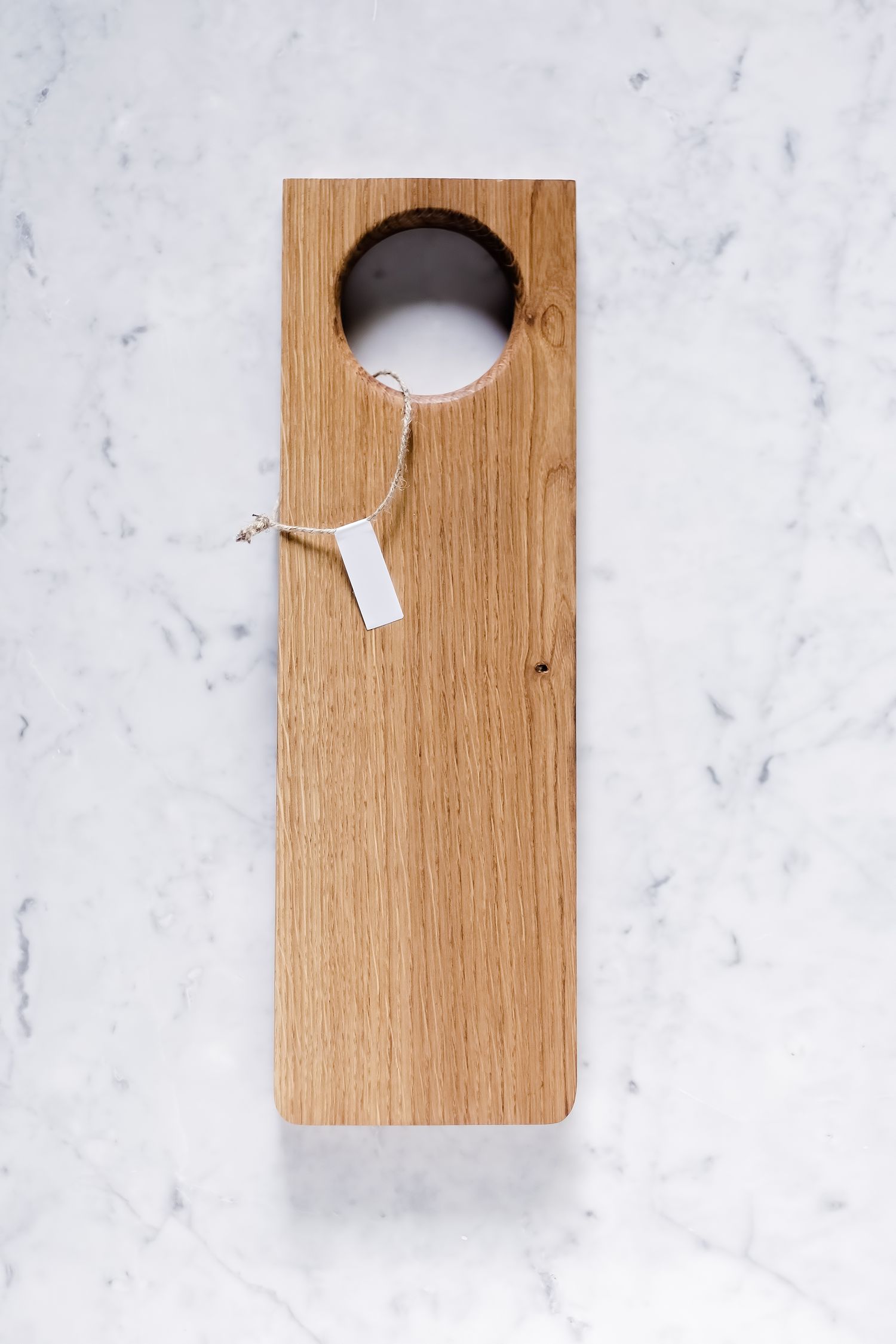
Follow the maker's washing, drying and surface-care guidance. Do not assume wood, marble, metal and coated pins can be treated identically. A decorative finish may have restrictions that are not obvious from the photograph. Check whether the pin is intended for direct food contact and avoid using it as a general household tool.
Store the pin so it cannot roll from a high shelf when another item is removed. A drawer needs enough length without forcing the handles against its sides. Keep the working surface protected from knocks and inspect it before use. A manageable pin with a clear storage place often works better in a compact kitchen than a large specialized model that has to live permanently across the counter.