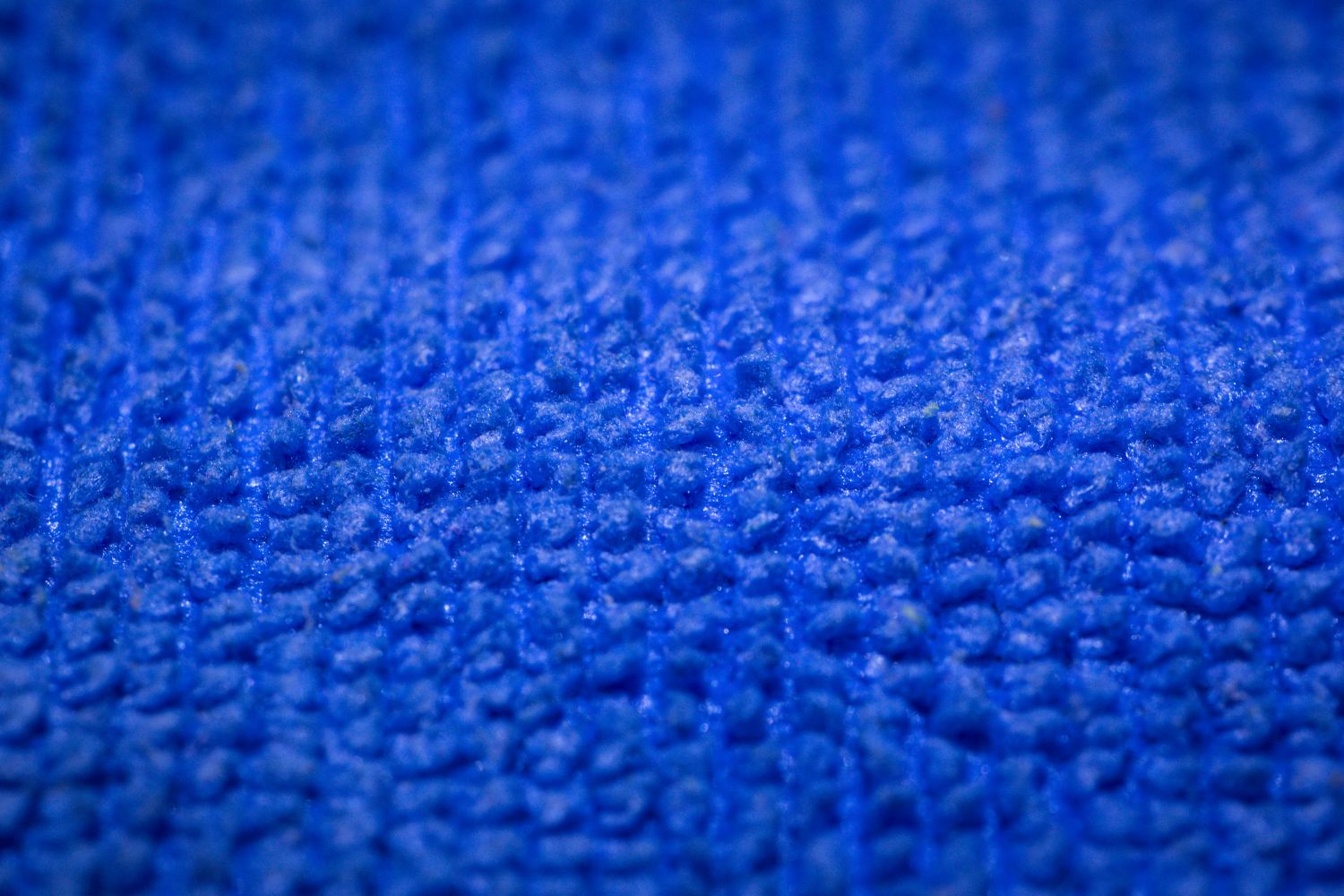
Cotton cleaning cloths and wash routines
Cotton cleaning cloths are easiest to use when their size, finish and washing routine are planned together. A reusable cloth is only convenient if there is a clear path from the cleaning task back to clean, dry storage.

Choose the fabric for the job
Compare the intended task with the cloth's weave and thickness. A flat cloth folds differently from a looped terry cloth and may leave a different amount of lint. Try a small set on the surfaces where it will be used, following those surfaces' care instructions. The word cotton does not establish suitability for every coating or delicate object.
Look at the edges and any rough labels. A heavily bound seam can make a small cloth awkward to fold into corners. An old cotton garment may be useful for some permitted household tasks, but remove unsuitable fasteners and avoid assuming printed or treated fabric behaves like a purpose-made cleaning cloth.
Make the rotation visible
Decide how many cloths are needed between laundry loads. Keep a place for clean dry cloths and a separate place for those awaiting washing. Distinguish tasks with a simple label or color choice if several people share the work. A large stack without a clear used-versus-clean distinction is less useful than a smaller well-managed supply.
Do not return a damp used cloth to the clean pile because it looks unstained. Follow the appropriate cleaning routine for the task and let cloths dry as directed. If a job involves a substance requiring special handling, follow that product's instructions rather than adding the cloth automatically to ordinary household laundry.
Let the care label set the wash
Read the temperature, detergent and drying instructions on the actual cloth. Cotton content alone does not determine the limits of dyes, seams or any additional treatment. Check compatibility with the other laundry in the load. Avoid escalating to a harsher process simply because a stain remains visible; appearance and the required cleaning procedure are separate questions.
After washing, inspect the cloth before folding it. Remove trapped particles and check frayed edges that could catch on hardware. Store it fully dry in a place where it can be reached without disturbing other supplies. A hanging loop is useful only if there is an appropriate place to hang the cloth between permitted uses.
Review the collection occasionally. Keep the cloths that remain manageable and clearly assigned, and replace those that no longer suit their task. A few sizes can cover different jobs without buying a new pack for every room. The aim is a washing and storage routine that remains easy to follow after the initial enthusiasm for reusable supplies has passed.