Microfiber cloths for different tasks
Microfiber describes a broad material family, not one universal cloth for every household surface. Choose a cloth by the task, its texture and the care instructions for both the cloth and the item being cleaned.
Separate dusting, wiping and finishing
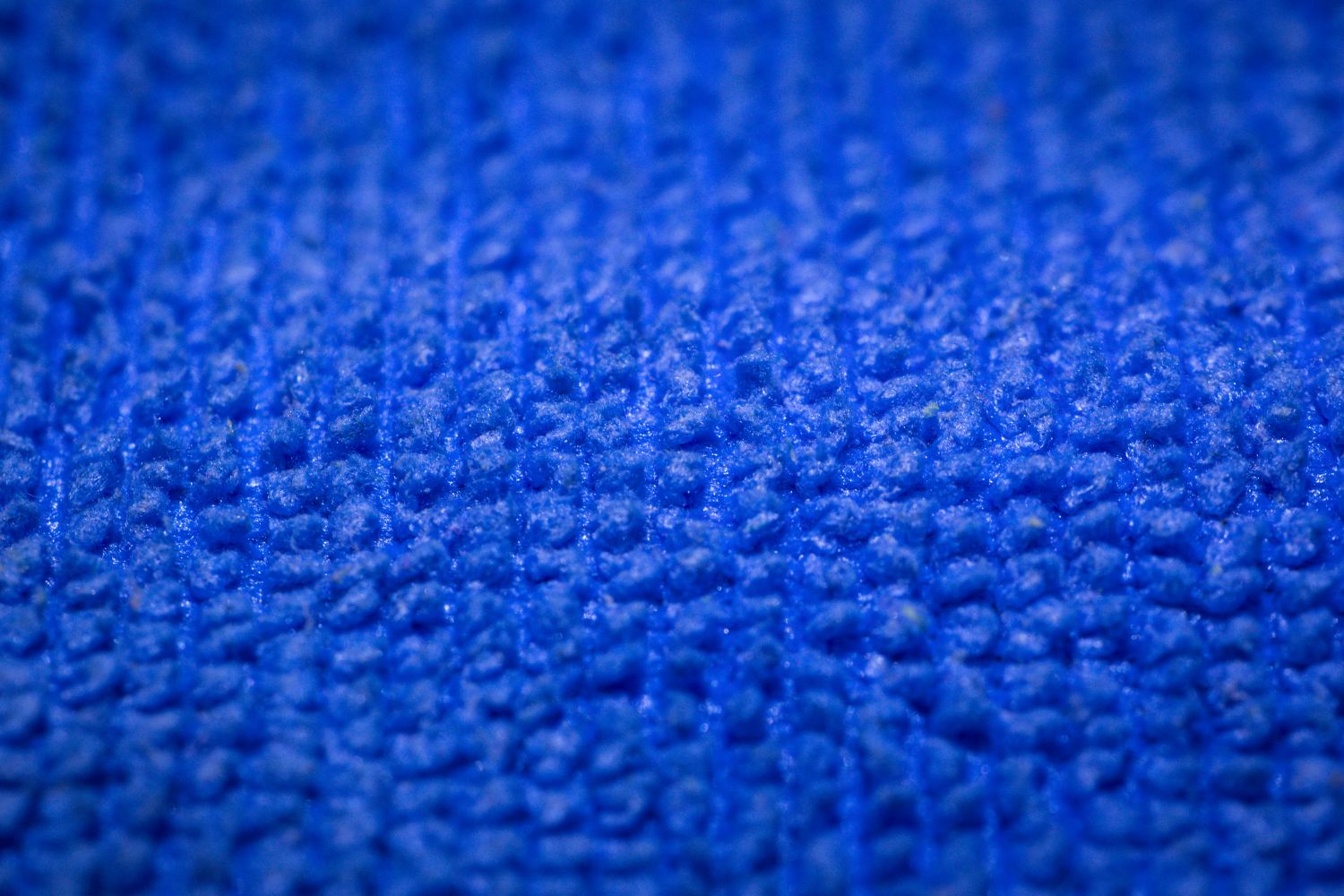
List the surfaces you intend to clean and the job at each one. Lifting loose dust, wiping a worktop and finishing glass do not require identical cloth behavior. A thick pile can feel useful for general wiping while a smooth finishing cloth handles differently. Read the product's intended use instead of assuming the largest multipack covers every task equally.
For screens, coated lenses and other sensitive surfaces, begin with the equipment manufacturer's cleaning instructions. A cloth sold for household cleaning is not automatically approved for an optical coating or display. Check the whole cloth for trapped particles before use. Soft material does not make grit caught in it harmless.
Choose a size you can control
Try folding the cloth into a comfortable hand-sized pad. You should be able to turn to a fresh area without losing control of a wet bundle. A large cloth may cover more surface but be awkward around taps and handles. A very small one may need frequent changing during a larger job. Match the size to the task and your washing routine.
Inspect the border and any attached label. A thick seam can be noticeable on a delicate surface even when the main fabric is soft. Follow the surface maker's advice and test an inconspicuous area where appropriate. Avoid treating a color or a plush appearance as evidence of a particular non-scratching performance.
Keep tasks identifiable
Assign a simple distinction between cleaning areas so a cloth used in one place is not unknowingly carried to another. Different colors or separate storage pockets can help, provided everyone understands the meaning. The system does not need many categories; it needs a reliable way to distinguish a fresh cloth from a used one and one task from another.
Keep enough cloths to change when one is dirty rather than trying to finish every surface with the same piece. Cleaning and disinfection are different procedures. Do not infer a universal disinfection result from a product's laboratory removal claim. Follow the relevant surface and product instructions for any task that requires more than ordinary cleaning.
Read the laundry instructions before buying
E-Cloth's care guidance, for example, tells users to avoid fabric softener and dryer sheets and provides different details for some products. This illustrates why the label on the exact cloth matters. Do not apply a high-temperature method or chemical treatment from one brand's instructions to every microfiber item in the cupboard.
Consider how the cloth will be rinsed, washed and dried between uses. A product that needs a routine you cannot conveniently follow may be a poor match despite attractive packaging. Keep used cloths separate from clean stored ones and allow them to dry as directed. Buy a manageable rotation rather than a large supply with unclear care requirements.
Replace by condition and task
Inspect the cloth for embedded debris, damaged seams or a changed feel after washing. If it no longer suits a delicate task, do not keep using it there merely because the fabric is intact. It may be appropriate for another permitted job, clearly relabeled, or need replacement. The useful selection is a small set whose purposes and care remain understandable.