E-readers and evening lighting
For evening reading, the useful question is how easily you can make the page comfortable in your own chair. Screen lighting, text adjustment and the way you hold the reader deserve attention before storage capacity or decorative covers.
Compare the page, not the startup screen
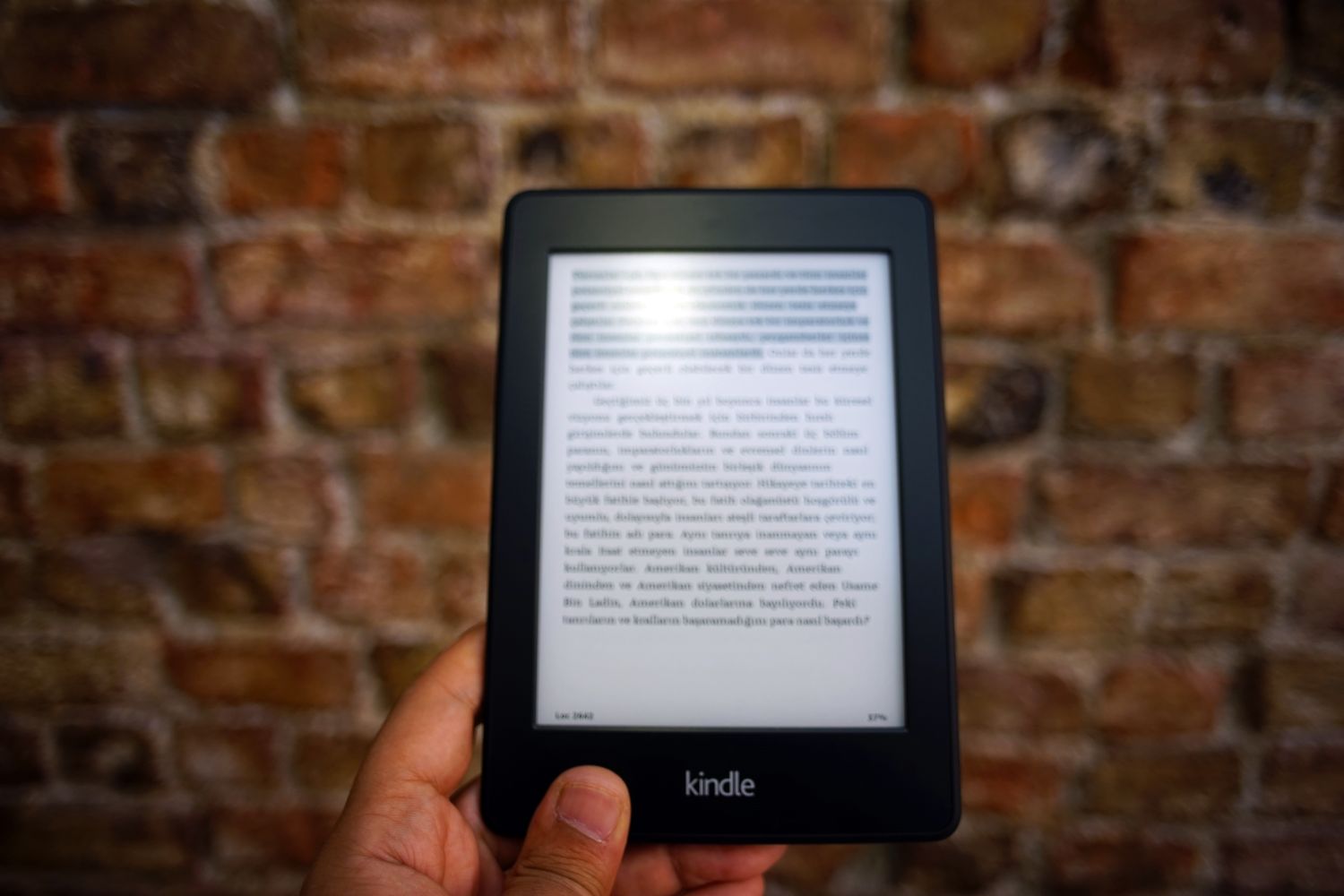
Open a sample book with ordinary paragraphs and try the text size you would actually use. A showroom home screen does not reveal how many words fit comfortably on a page. Change the font, line spacing and margins where supported. Notice whether frequent page turns bother you more than the size and weight of a larger reader.
Look at the screen under lighting similar to your evening room. Adjust its built-in light gradually rather than leaving it at a bright demonstration setting. Check for an easy route back to those controls while a book is open. Kobo's instructions illustrate that brightness controls and automatic options vary by model; verify the specific reader rather than assuming a brand-wide feature.
Brightness and color are separate choices
Some readers let you adjust the color of the built-in light as well as its brightness. Try both controls if available and decide which appearance you prefer. A warm-looking setting is a viewing preference, not a promise about sleep or eye health. The device should remain usable at the settings that suit your room without depending on promotional wellness claims.
If an automatic schedule is offered, check how to override it and whether it follows your actual reading hours. A manual setting may be simpler when the reader moves between rooms. Keep a nearby room lamp in the comparison too: the purchase decision should reflect the whole reading arrangement rather than the screen in isolation.
Hold it through a few pages
Try reaching the page-turn area with either hand. Physical buttons, screen taps and gestures can feel different when reclining. Include the cover's weight if you intend to use one, and check that a folded cover does not press awkwardly against your fingers. A stand may help at a table but is another object to position beside a chair.
Before choosing an ecosystem, check how your existing books and local library loans reach the device. File support, borrowing services and account requirements differ. Use the official instructions for the exact service and reader. A pleasant screen does not compensate for an inconvenient or unsupported way to obtain the books you want.
Plan a charging place where the reader can rest flat without bending the connector. Keep the cable reachable so charging does not interrupt the evening routine. During an initial trial, finish a normal reading session and assess the controls, holding comfort and page layout together. That experience is more informative than comparing a single brightness percentage between two unrelated screens.