Headphones for shared living spaces
Headphones in a shared room serve two people: the listener and the person nearby. Compare comfort and connection, but also check whether the sound escapes and whether spoken interruptions remain manageable.
Start with the shared-room arrangement
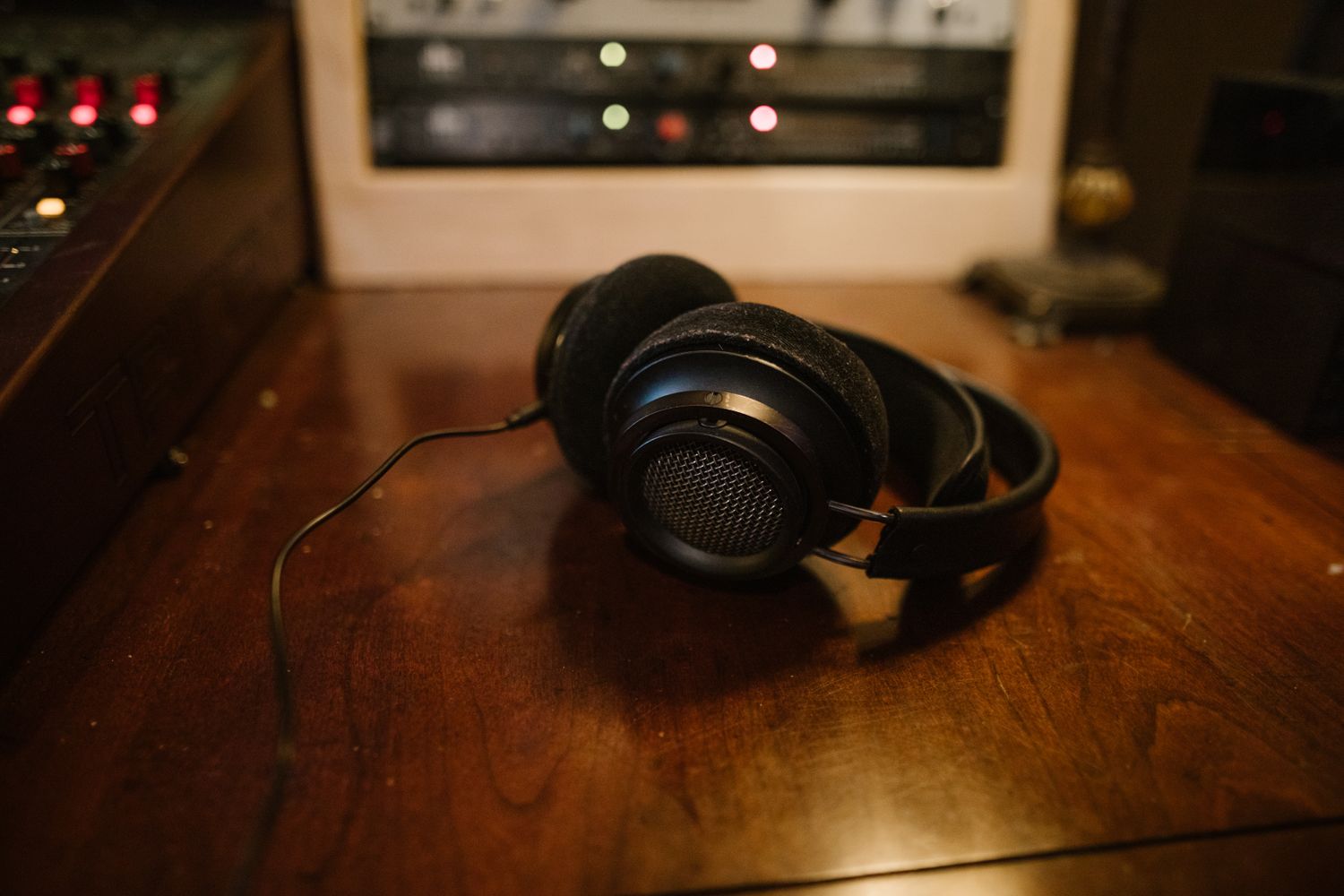
Consider who uses the room at the same time. Someone reading beside you may be bothered by sound leaking from headphones even when you find the volume comfortable. Open and closed designs behave differently, but their names alone do not tell you how a particular model will work at your listening level. A brief listening trial with another person is useful.
Agree on an ordinary listening level and try a familiar recording. Ask the other person to sit where they normally sit rather than standing directly beside the earcup. Then reverse roles if possible. This is a household suitability check, not a measurement of isolation. It can reveal whether the proposed headphones actually solve the reason you wanted them.
If you need to notice a doorbell or conversation, inspect the controls for pausing and any supported ambient-listening function. Do not assume that a feature called transparency reproduces every sound reliably. Choose a routine for interruptions that does not require removing a tightly fitted cable or navigating several screens each time someone speaks.
Give the fit more than a minute
Try the headband adjustment with your usual glasses or hairstyle. Check whether the ear cushions surround the ears or press on them, and whether the earcups remain stable when you look down at a book. More padding is not automatically more comfortable. Weight distribution, adjustment range and the shape of the cushions all contribute to the personal fit.
Look for replacement cushions and a clear cleaning method before buying. Shared headphones should be straightforward to wipe according to their instructions, and a removable cable can be useful if a lead is damaged. Verify the exact replacement part rather than assuming a similar cushion from another model will clip into place.
Match the everyday source
Check the devices you actually use: phone, television, computer or music player. A plug fitting a socket does not establish that every microphone or control function is supported. For wireless models, try switching between your regular devices and reconnecting after charging. If the main use is television, test the actual connection for distracting audio delay.
Plan a resting place that does not stretch the headband or pinch the cable. Keep the charging lead accessible if the headphones use a battery. When comparing prices, include only the accessories the routine really needs. A comfortable, easily connected pair that respects the shared room is more useful than extra modes that remain unused.