Shoe brushes for different materials
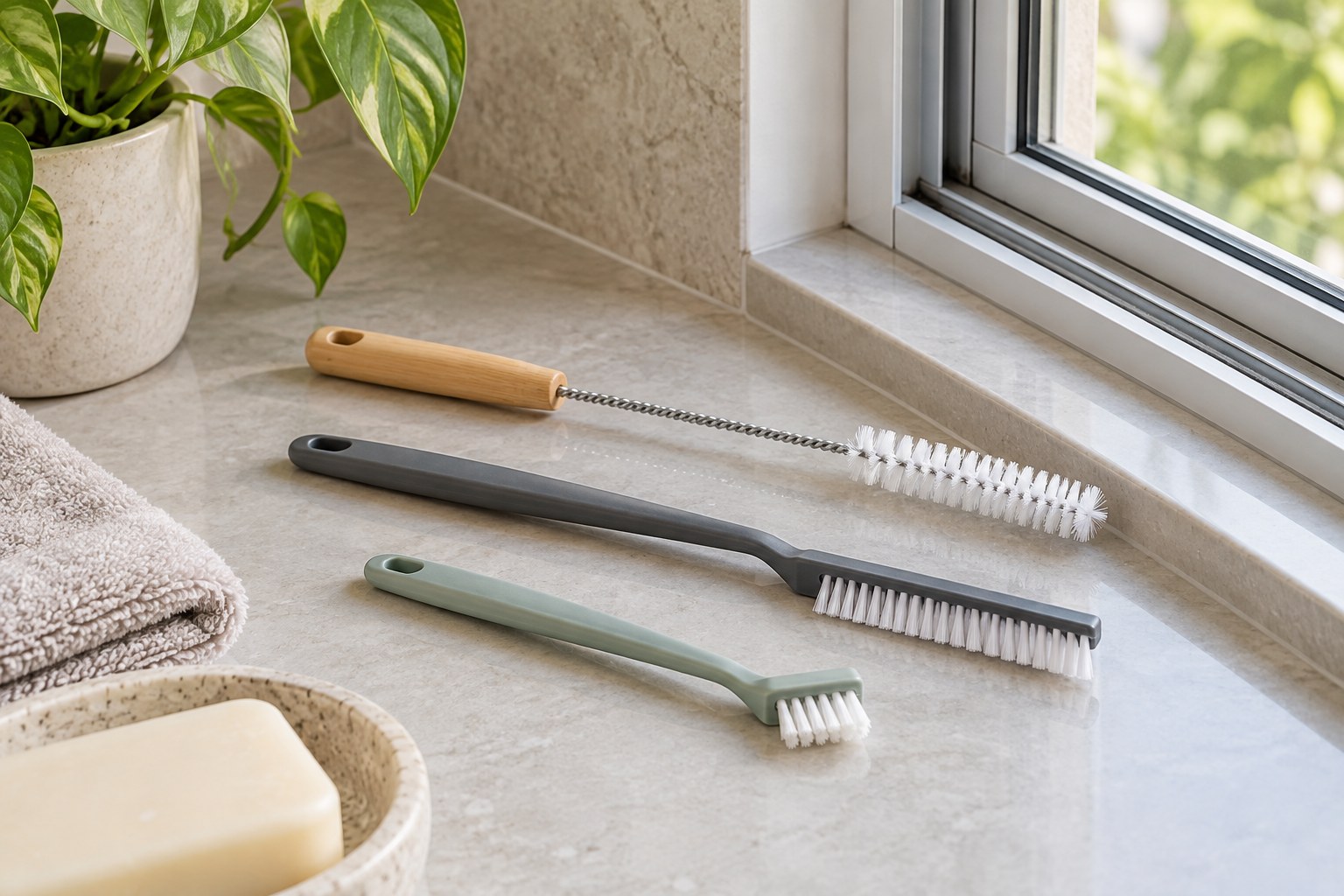
A shoe brush should be selected for the material and the stage of care. Removing dry dirt, working with suede and finishing polished leather are different jobs, so one crowded brush is rarely a useful answer to all of them.
Identify the upper before choosing bristles
Read the shoe's material and care information rather than identifying leather type by color alone. Smooth leather, suede, nubuck, coated materials and textiles can require different tools. Clarks separates care guidance by material and offers a specific suede and nubuck brush. Use that distinction as a reason to check your own shoes' instructions, not as a universal treatment recipe.
Inspect mixed-material shoes carefully. A brush appropriate for the sole may be too aggressive for the upper beside it. Work within the permitted area and avoid carrying grit from the outsole onto a finished surface. If the material or finish is unclear, ask the maker before attempting a more forceful cleaning method.
Separate dirt removal from finishing
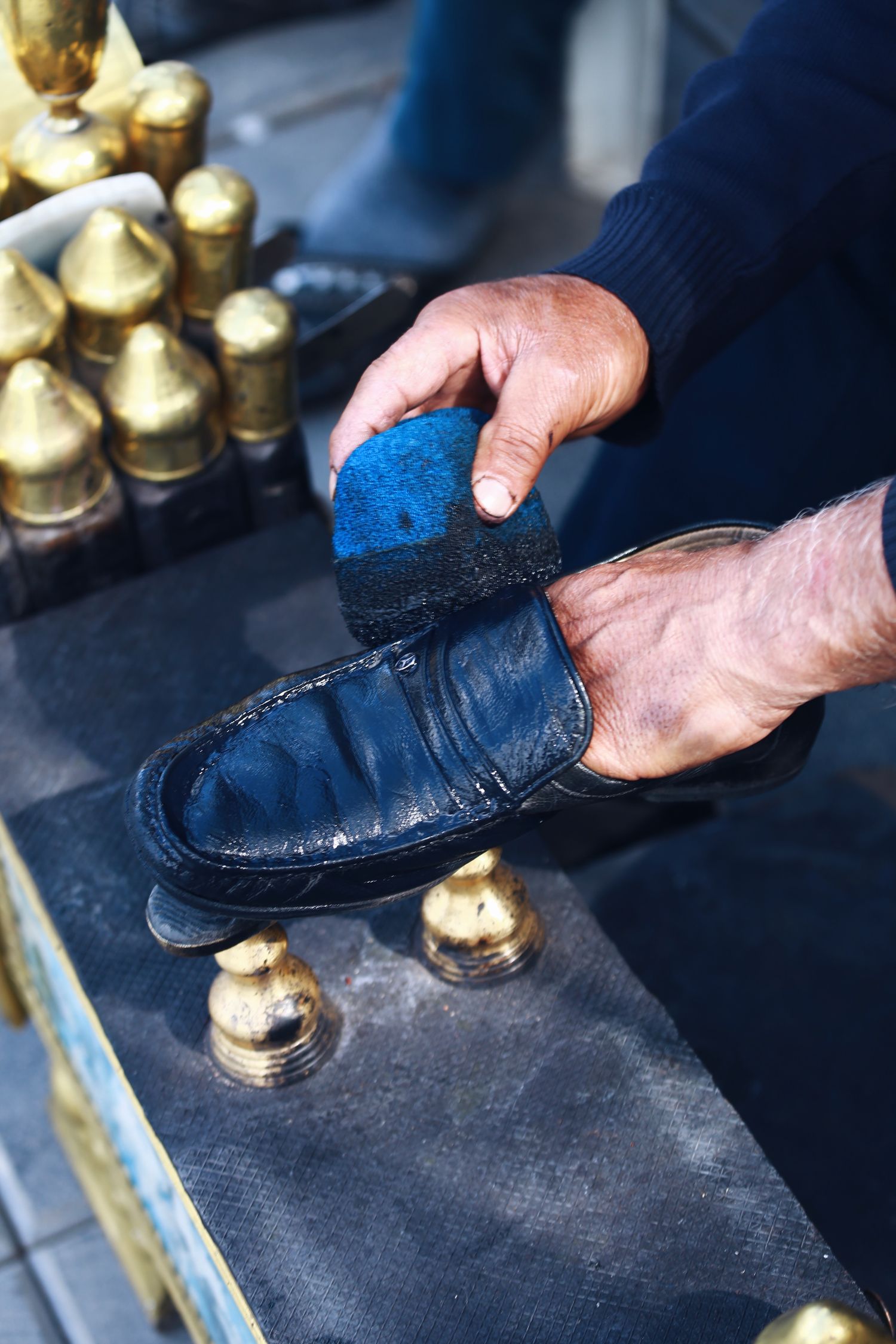
Keep a brush used for loose dirt distinct from one used for a compatible polish or finishing step. Residual product can transfer to a different color or material. Label tools by purpose if several pairs share a care box. A small clear distinction is more useful than a large matching set whose individual roles are forgotten.
Check the grip and head size around seams and narrow areas. A broad brush can cover a shoe quickly but be awkward beside decorative details. The hard body should not scrape the upper when the bristles bend. Try the intended motion lightly on an inconspicuous suitable area according to the shoe's care instructions.
Use pressure deliberately
More pressure is not a substitute for the correct method. Clarks' suede guidance emphasizes gentle brushing and material-specific care. Stop if color, texture or the surface changes unexpectedly. A persistent mark may need a different approved treatment or professional attention rather than repeated scrubbing with the same tool.
Clean the brush in the way its manufacturer allows and keep different residues from mixing. Let it dry as directed before storing it with shoes or other tools. Do not assume a wooden handle, glued bristle bed or mixed-material brush can be soaked simply because the bristles themselves tolerate water.
Inspect the working face for trapped particles and damaged sections before the next use. Replace a worn brush when it no longer gives controlled contact. Keep only the tools that match footwear you actually own. An understandable care kit with separate functions is easier to maintain than a universal brush carrying old dirt and several colors of polish.